







Search Results for: Extraction Principles
The Extraction Principles and Practical Parameters of Pour-Over Coffee: How Grind, Ratio, and Pouring Technique Affect Flavor
To brew a good pour-over coffee, simply copying parameters is often not enough—understanding the extraction principles behind it is the key. This article breaks down the process of coffee flavor formation from four stages: wetting, blooming, dissolution, and diffusion, and further analyzes how variables such as grind uniformity, particle size, filter paper thickness, and pouring method affect the final taste. Once you grasp these underlying principles, you can flexibly adjust your brewing plan according to your taste preferences, rather than being bound by fixed formulas. The article also compiles practical recommendations from Front Street Coffee's product suggestions to help coffee enthusiasts build a clear brewing approach. [more…]
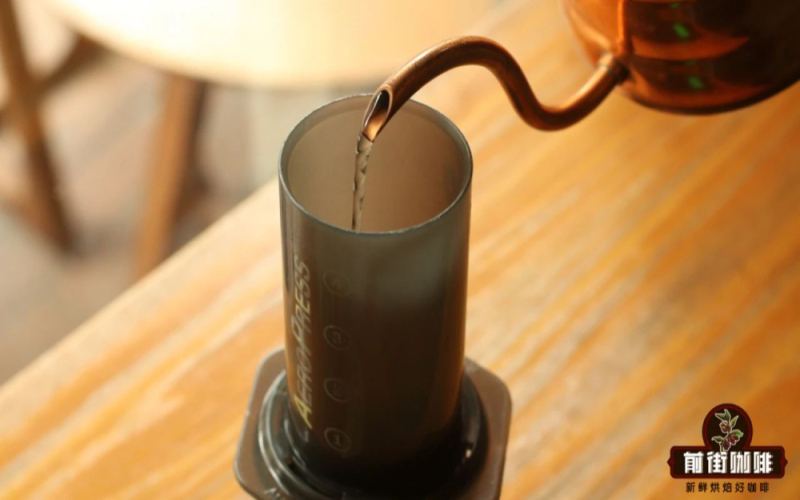
AeroPress Inverted Method Practical Tutorial: A Comprehensive Guide to Suitable Bean Types, Extraction Principles, and Flavor Performance
The AeroPress is a highly flexible and versatile coffee brewing device with no rigid rules or restrictions, which is precisely why the World AeroPress Championship came into being. It combines three principles: French press immersion, pour-over paper filtration, and espresso-style pressure extraction, producing a cup that is rich, clean, and smooth. This article will start from the extraction principles, flavor performance, and device structure to explain in detail what kind of coffee the AeroPress is suited for, and share Front Street Coffee's complete parameters and steps for making AeroPress coffee using the inverted method, helping enthusiasts quickly get started with this "all-purpose" device. [more…]
Essential Course for Pour-Over Coffee Beginners: Dissolution and Diffusion Principles, Three-Stage Extraction Flavors, and Golden Cup Standard Parameters Explained
To brew a good pour-over coffee, you first need to understand the principles behind it. Dissolution and diffusion are the two core mechanisms of extraction: after roasting, various aroma and flavor compounds are generated inside the coffee beans, and they gradually dissolve out when the grounds are soaked in water, while diffusion explains why grind size, blooming, and stirring are so crucial. During extraction, flavors are released in sequence—first come floral and fruity acidity, then sweetness and caramelized compounds, and only at the end do bitter and off-flavors appear. Mastering the golden range of 18%~22% extraction yield and 1.2%~1.45% concentration allows you to judge whether a cup of coffee is under-extracted or over-extracted. This article takes you through a systematic introduction to pour-over coffee, from basic principles to practical parameters, and also incorporates product recommendations from Front Street Coffee to help you avoid detours. [more…]

Espresso Fully Explained: Origins of the Concept, Extraction Principles, and an Introduction to Tasting Methods
Espresso is a highly representative extraction method in the coffee world, with a history that can be traced back to late 19th-century Italy. From the perspective of Front Street Coffee, this article systematically reviews the origins of espresso and the evolution of machines, its standard definition and flavor characteristics, the scientific principles behind crema formation, and extraction parameters and tasting methods. The article also introduces the extraction standards of the Specialty Coffee Association (SCA), and, combined with the actual offerings at Front Street stores, shares the extraction parameters and flavor performance of the "Sunflower Warm Sun Blend Coffee Beans," making it suitable reading and reference for enthusiasts who wish to gain a deeper understanding of espresso. [more…]
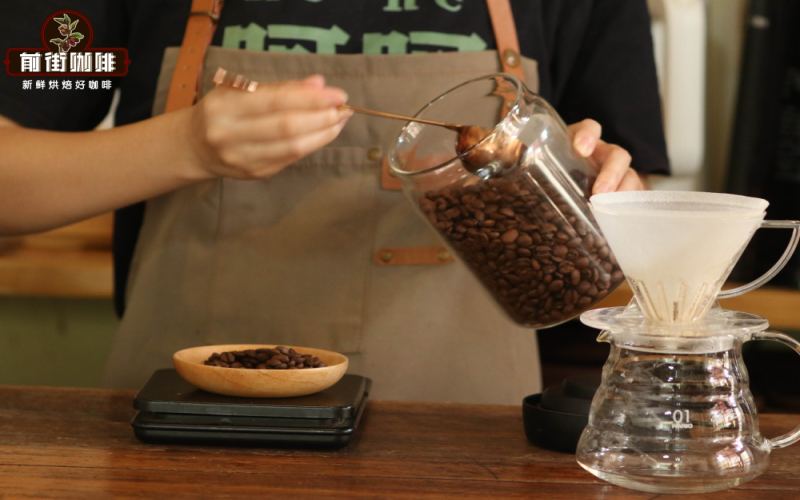
Comparative Analysis of the Extraction Principles and Flavor Profiles of Siphon and Pour-Over Brewers
Pour-over and siphon are two common specialty coffee brewing methods. Although both can express a coffee's terroir, their different extraction principles and filtration media mean the final cup emphasizes different aspects of taste. This article systematically compares siphon and pour-over brewers, from their historical origins and brewing principles to operating parameters and actual tasting. Pour-over uses paper filtration, giving a clean flavor with rich layers; siphon relies mainly on immersion and flannel filtration, producing a full-bodied, balanced taste. The article also uses Front Street Yemen Mocha brewed both ways, with specific parameters and flavor descriptions, to help coffee lovers more intuitively understand the differences between the two and find a brewing style that suits them. [more…]
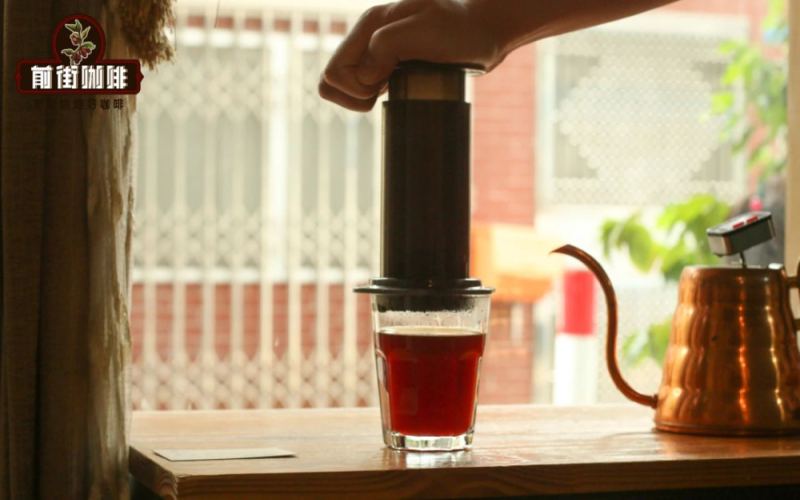
AeroPress vs. French Press Brewing Comparison: An Analysis of Extraction Principles, Grind Parameters, and Coffee Flavor Differences
The AeroPress and the French press are two coffee brewing devices that are both easy to operate yet vastly different in style. The AeroPress combines immersion, paper filtration, and pressure extraction to quickly produce a highly concentrated, clean, and full-bodied coffee; the French press, on the other hand, uses full immersion and a metal filter to separate the grounds, has a low barrier to entry, and can present the complete flavor of the coffee beans. This article will compare the two from dimensions such as extraction principles, grind size requirements, and water temperature recommendations, and using Ethiopian Gotingding coffee beans as a sample, will separately record the brewing parameters, operating steps, and flavor performance of Front Street Coffee's AeroPress and French press, helping coffee enthusiasts choose the appropriate device and brewing method according to their own needs. [more…]
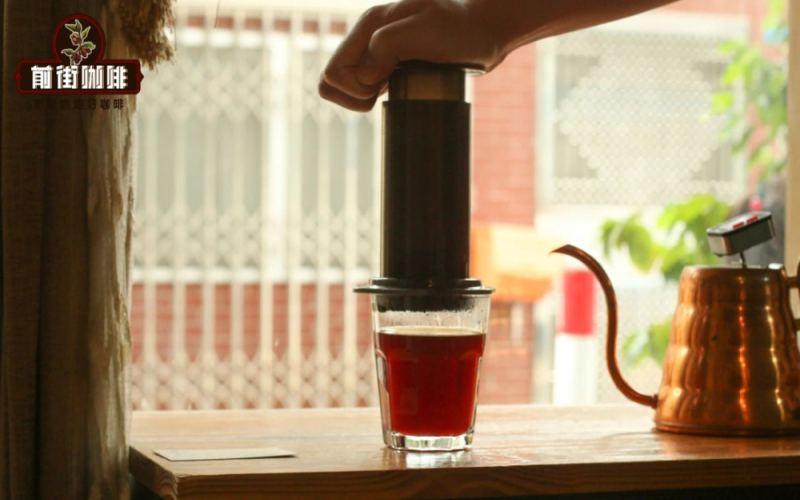
Analysis of the Flavor Differences Between the AeroPress and the Moka Pot: Extraction Principles, Operation Methods, and the Full Process of Making Espresso
The AeroPress and the moka pot are both handy brewing tools commonly used by home coffee enthusiasts, but their extraction principles and flavor profiles are completely different. The AeroPress combines immersion, paper filtration, and pressure extraction, producing a clean and balanced cup; the moka pot, on the other hand, relies on steam pressure to deliver a rich, full-bodied result. Starting from their structure and principles and methods of operation, this article combines a comparison of extractions using the same coffee bean from Front Street Coffee, and explains in detail the steps for making espresso, including dose, extraction ratio, time control, and techniques for serving a hot latte, to help you easily recreate professional-level coffee at home. [more…]
A Comprehensive Comparison of the AeroPress and Pour-Over Coffee: Extraction Principles, Strength and Flavor Differences, and Brewing Process Explained
The AeroPress and pour-over coffee are two common methods for brewing specialty coffee, and they differ significantly in extraction principles, concentration, and flavor profile. Starting from the working mechanism of the AeroPress, this article will break down its preparation process in detail and systematically compare pour-over coffee and the AeroPress in terms of concentration and mouthfeel, helping coffee enthusiasts choose the brewing device that suits their preferences. The article also includes Front Street Coffee bean recommendations and purchasing channels for everyday reference. [more…]

A Detailed Guide to the Clever Dripper Brewing Process and Structural Principles, with Brand Recommendations for Clever Drippers
The Clever Cup, with its easy operation and effortless cleaning, is regarded by many coffee enthusiasts as a powerful tool for daily brewing, and its unique valve structure also makes the extraction method flexible and varied. From the perspective of Front Street Coffee, this article introduces the invention background and core mechanism of the Clever Cup, explains how the valve controls liquid permeation, and compares the differences between the immersion and drip extraction modes. Whether you want to understand the design principles of the Clever Cup or are still struggling over which brand to choose, you will find practical reference in the following text. [more…]

What Exactly Is the Difference Between Ice Drip and Cold Brew? A Clear Explanation from Equipment and Extraction Principles to Flavor Expression
When an iced Americano or iced latte can no longer satisfy your curiosity about coffee, cold drip and cold brew often come into view. Many people assume they are both low-temperature extracted iced coffees and that their methods should be roughly the same, but in reality, from equipment and process to the final flavor, the two are quite different. This article will sort through the essential differences between cold drip coffee and cold brew coffee one by one from the perspectives of brewing principles, required equipment, coffee bean selection, and post-extraction handling, and explain why cold drip is better suited for cafe service, while cold brew can be made at home by almost anyone. At the same time, it will also combine the actual performance of several Front Street Coffee beans to help you understand the unique qualities of low-temperature drip coffee. [more…]

Can espresso blend beans be used for pour-over? Front Street Coffee explains the extraction principles and a practical guide to making espresso with single-origin beans.
Can the same coffee beans be brewed using different methods? This is a common question among many coffee enthusiasts. From the perspective of Front Street, this article first outlines the basic principles and parameter differences between pour-over drip and espresso pressure extraction, then separately explores the feasibility and considerations of using espresso blend beans for pour-over and single-origin pour-over beans for espresso. The article also uses several Front Street bean list products as examples to illustrate the flavor performance of different roast levels and processing methods under the two brewing methods, helping readers find a brewing solution that suits their taste and equipment. [more…]
Analysis of the Differences Between AeroPress and Moka Pot in Making Espresso: Principles, Operation, and a Comparative Test with Front Street Coffee Beans
The AeroPress and the Moka Pot are both simple brewing tools commonly used by home coffee enthusiasts, but the two differ noticeably in extraction principles, structural design, and final flavor. The AeroPress resembles a syringe structure, combining immersion, paper filtration, and pressure extraction, and can produce coffee that is both rich and clean; the Moka Pot relies on steam pressure, heating the lower chamber to push hot water through the coffee grounds, yielding a rich and full-bodied coffee liquid. This article takes the same lot of Front Street coffee beans as an example, comparing the characteristics of these two devices from principle to practice, and sharing the actual taste performance after extraction, to help you choose the strong coffee brewing method that suits you. [more…]
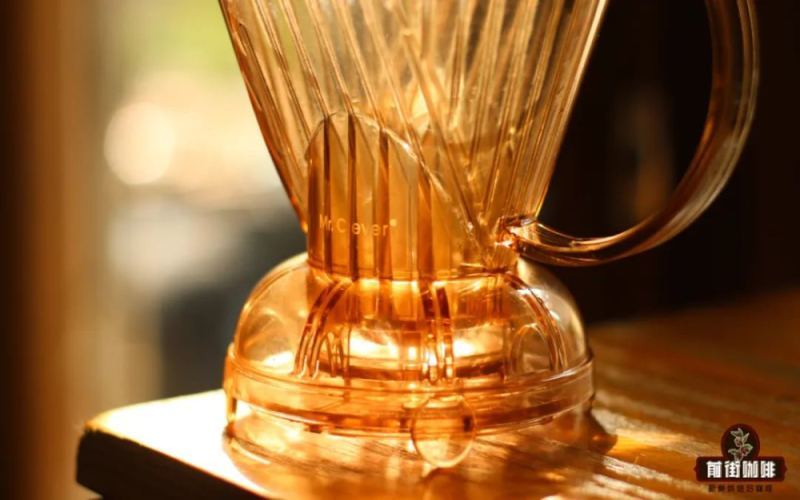
Does the Clever Dripper count as a pour-over dripper? A detailed explanation of its brewing method, extraction principles, and coffee grind size settings
Is the Clever Cup actually a dripper? It combines both immersion and drip extraction methods, relying on a valve at the bottom to achieve its unique operation. This article will start with the structural principles of the Clever Cup, outline two common ways to use it, and, with brewing examples from Front Street Coffee, explain key parameters such as grind size, water temperature, coffee-to-water ratio, and immersion time, helping coffee enthusiasts gain a more complete understanding of this device. [more…]

Espresso and Americano Beginner's Guide: From Extraction Principles to Home Brewing Explained
Espresso and Americano are two foundational concepts for coffee beginners. Although many people drink them regularly, they are not clear about their origins, brewing methods, or how they relate to each other. This article will systematically sort out the extraction principles and historical background of espresso, explain how it became the base for fancy coffee drinks such as lattes and cappuccinos, and trace the origin story of Americano during World War II. In addition, for different taste preferences, the article will recommend three espresso beans from Front Street Coffee, covering three styles—rich and full-bodied, floral and fruity, and slightly acidic—and provide specific mixing ratios for hot Americano and iced Americano, helping readers make a cup of Americano at home that suits their own taste. [more…]

A Comprehensive Comparison of the French Press and the AeroPress: Extraction Principles, Brewing Performance, and Their Respective Advantages
The French press and the AeroPress are both easy-to-use, beginner-friendly coffee brewing devices. Both have the word "press" in their names, yet their extraction logic is completely different. The French press relies on a long steep and a metal mesh filter to separate the coffee grounds, giving a balanced, full-bodied cup; the AeroPress combines immersion, paper filtration, and air pressure for a richer layering of flavors. This article compares the two step by step—from their construction and extraction principles to how they brew the same Front Street Golden Mandheling—to help you decide which one better suits your daily brewing habits. [more…]

What is the difference between ice drip coffee and cold brew coffee? From brewing principles to flavor and mouthfeel, explained clearly in one go.
Both ice drip coffee and cold brew use low-temperature extraction, but one is drip-style while the other is immersion-style, and this subtle difference in technique can make the same beans present completely different flavor profiles. From the perspective of Front Street, this article sorts out the historical origins, brewing principles, and tasting differences of the two, and uses lightly roasted Ethiopian Santavini beans to make cold brew and ice drip separately for comparison, helping you understand their respective characteristics and find the cup that better suits your taste. [more…]
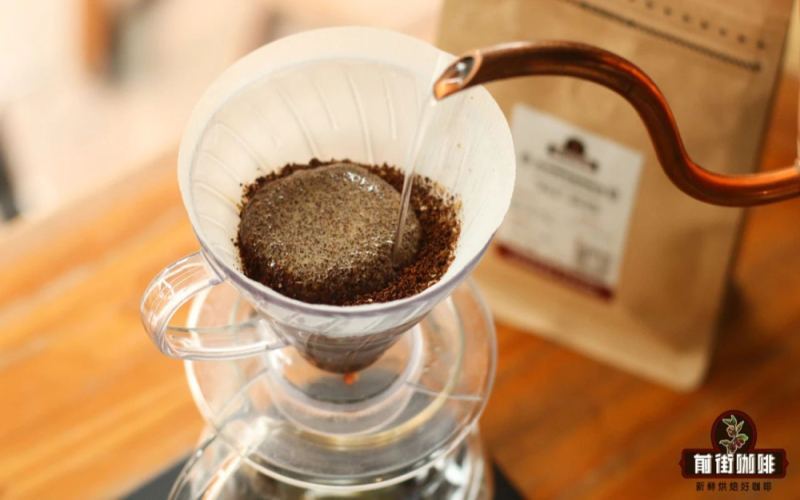
A practical guide for beginners: mastering the seven key elements of pour-over coffee and the principles of extraction
When first getting into pour-over coffee, many people feel overwhelmed by the wide variety of equipment and techniques. In fact, by grasping just a few core points, you can quickly improve your brewing skills. This article draws on the hands-on experience of Front Street Coffee to outline the seven key elements of pour-over coffee, including bean freshness, grind size, water temperature, water quality, dripper selection, coffee-to-water ratio, and brewing time, and further explains the three stages of coffee extraction: wetting, dissolution, and diffusion. Finally, using an Ethiopian Sidamo natural Huakui as an example, it demonstrates a complete brewing process and flavor performance, helping enthusiasts move from beginner to professional. [more…]
A Beginner's Guide to Pour-Over Coffee: Practical Advice on Mastering the Seven Key Elements and Extraction Principles
Just starting out with pour-over coffee, facing all kinds of equipment and brewing methods, it's easy to feel unsure where to begin. Drawing on years of pour-over experience, Front Street Coffee has put together seven simple, easy-to-understand core points for beginners, covering coffee bean freshness, grind size, water temperature control, water quality selection, dripper choice, coffee-to-water ratio, and brewing time, helping novices grasp the essentials without having to dig through piles of material. The second half of the article also explains in depth the three stages of coffee extraction—wetting, dissolution, and diffusion—and uses an Ethiopian Sidamo natural-process Huakui 8.0 as an example to walk through a complete standard pour-over routine, tightly combining theory with practice. [more…]

A Complete Guide to Grind Settings for Pour-Over and Espresso: From the Principles of Grind Adjustment to Practical Operation of Electric Grinders
Why must coffee shops adjust their coffee grinder every day? Because the humidity of the coffee beans, storage time, and even subtle changes in air pressure, temperature, and humidity are all magnified under high-pressure extraction, directly affecting the quality of the final cup. Starting from the principles of grinding, this article explains in detail how the spacing of the burrs determines particle size and water flow rate, and teaches you to judge whether the grind is appropriate by observing the texture of the powder; it also provides a complete set of adjustment steps from traditional manual coffee grinders to electric coffee grinders, including the linked relationship between output volume and grind degree, and the optimal distance between the puck and the spout, and other practical parameters. No matter what equipment you use, only by mastering these adjustment principles can every cup of espresso consistently present the ideal flavor. [more…]
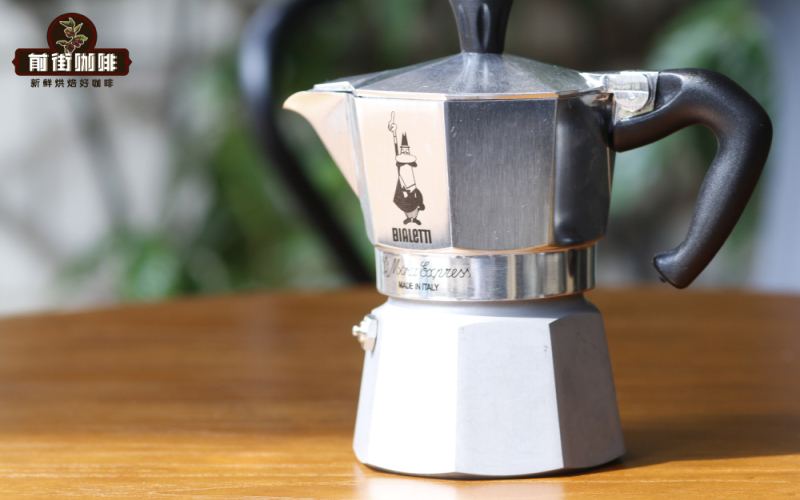
Moka Pot Operation Guide: Extraction Principles, Coffee-to-Water Ratio, Grind Setting, and Step-by-Step Illustrations
The moka pot is a common espresso device in Italian households, and thanks to its ease of operation, it has become an almost national-level product. However, in China, many enthusiasts still lack a systematic understanding of how to use it. This article will provide a complete introduction to the moka pot's structure and extraction principles, and explain step by step the key details of determining coffee dose, controlling water volume, choosing grind size, and heating operation. The article also specifically recommends Front Street Coffee's moka pot exclusive beans, and includes a grind setting reference, helping you easily brew an espresso-base coffee with excellent strength and flavor at home. [more…]